


An Introduction To The History Of South-east Asia
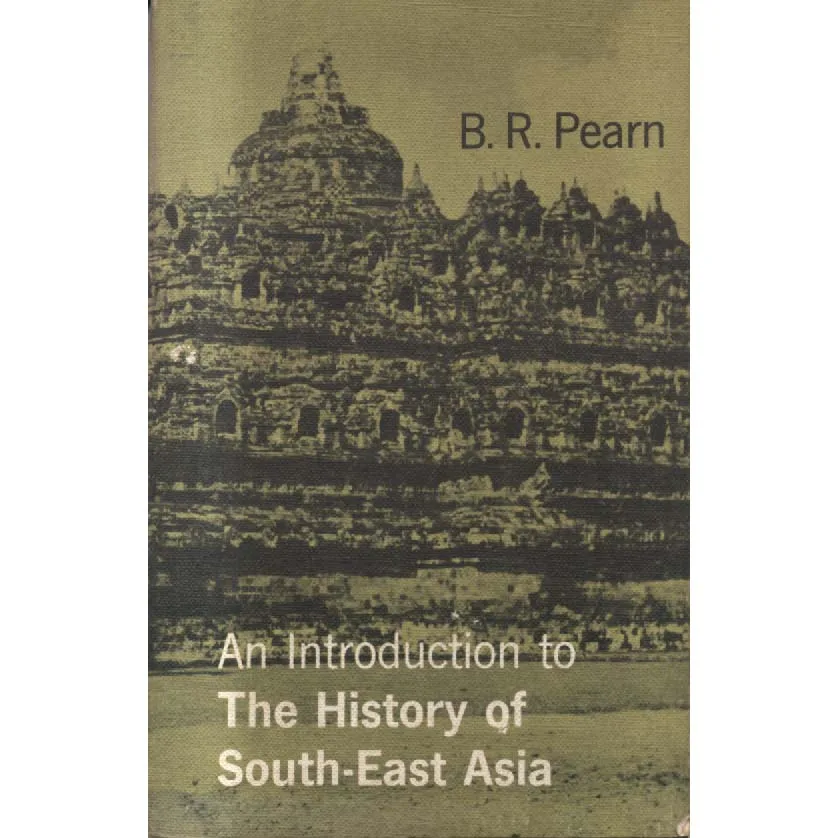
Publisher: Longmans of Malaya
Format: Paperback
ISBN: none
An Introduction to the History of South-east Asia (1963)
B. R. Pearn – Longmans of Malaya
ISBN: none (printed in the days before ISBNs colonised everything)
Condition: Good
Vendor: Crappy Old Books
Here’s your chance to time-travel twice at once: back through the history of South-east Asia, and back to 1963, when that history was being summarised by scholarly gentlemen with strong views, tidy footnotes and very particular map choices.
An Introduction to the History of South-east Asia is B. R. Pearn’s effort to squeeze centuries of kingdoms, empires, trade routes, invasions, religions, colonisers, revolts and new nations into one reasonably portable book. No small task – but he gamely has a go.
Inside these calmly confident pages you’ll find:
-
Early kingdoms and classical states: Angkor, Srivijaya, Pagan and other powerhouses you were vaguely aware existed but couldn’t place on a map without cheating.
-
The spread of Hinduism, Buddhism and Islam, arriving not via Instagram but through merchants, monks and the occasional conqueror with architectural ambitions.
-
A whistle-stop tour of Malay sultanates, Vietnamese dynasties, Burmese courts, Thai kingdoms, and the rest of the region’s habit of having more history than your average textbook can cope with.
-
The arrival of Europeans, helpfully bringing “trade” (guns), “civilisation” (taxes) and “treaties” (land loss), followed by the whole sprawling saga of colonial rule, resistance and reform.
-
The early stirrings of independence and nationalism, seen from that wonderfully poised early-60s moment when a lot of new flags were still drying and everyone was only just getting used to new names on the map.
It’s written in that classic mid-20th-century textbook tone: clear, structured, occasionally paternalistic, and absolutely certain that if you follow the narrative from chapter one to the end, the world will make more sense. And to be fair, it often does.
Our copy is graded Good, which, in the pleasantly blunt house style of Crappy Old Books, means:
-
The cover is solid and presentable, with minor rubbing, the odd small crease or gentle corner bump – the normal scars of six decades of perfectly respectable shelf-life. Nothing tragic, nothing alarming.
-
The spine is sound and readable, possibly with a dignified crease or two, suggesting at least one previous owner actually opened the book instead of just using it to impress visitors.
-
The pages are all present, firmly bound and entirely legible, with that warm ivory tone that says “older academic text” rather than “left in a puddle.” You may spot the occasional neat underline, pencil tick or name on the flyleaf: ghostly evidence of exams past.
-
No major stains, no loose gatherings, no terrifying surprises – just honest, age-appropriate wear on a very serviceable copy.
Not pristine, not “museum relic behind glass” – but 100% ready to be read, argued with and waved around while you complain about modern textbooks.
Perfect for:
-
Students of Southeast Asian history who want to see how the story was framed before later waves of scholarship rearranged the furniture.
-
History nerds fascinated by the way mid-century authors wrote about empires, nation-building and colonialism with a straight face and a stiff tie.
-
Readers who like their context old-school: maps, dynasties, trade routes and just enough editorial voice to make you raise an eyebrow now and then.
-
Anyone who’s looked at the region and thought, “There is a lot going on here, could someone please just walk me through the basics?”
An Introduction to the History of South-east Asia is part primer, part period piece: a guided tour of a complex region from the vantage point of early post-colonial scholarship.
Available now from Crappy Old Books, where our maps are slightly outdated, our perspectives come with timestamps, and our “Good” condition means the book has survived history almost as well as the region it’s describing.
Keep browsing: See more History books Other books by BR Pearn
